
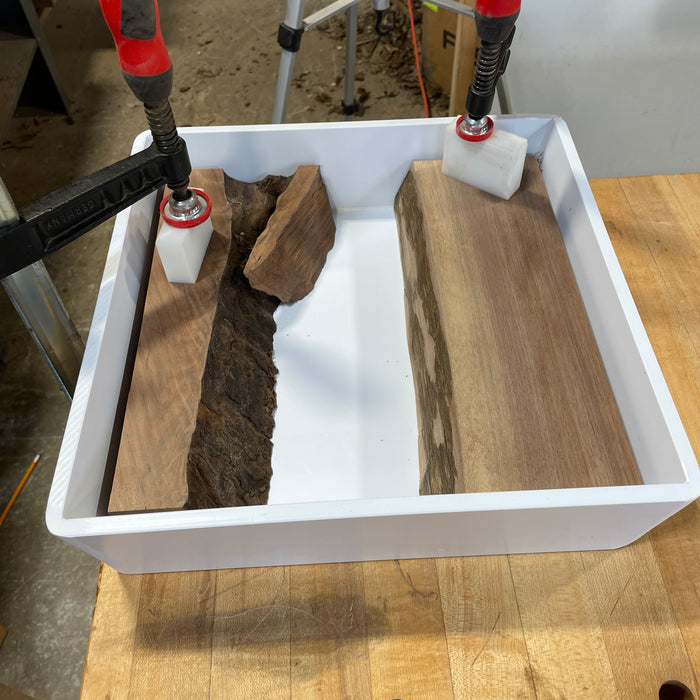
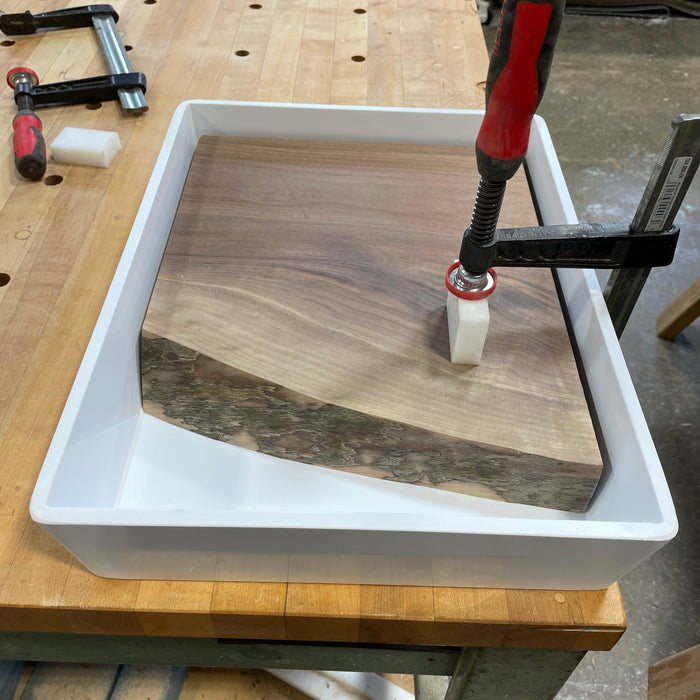
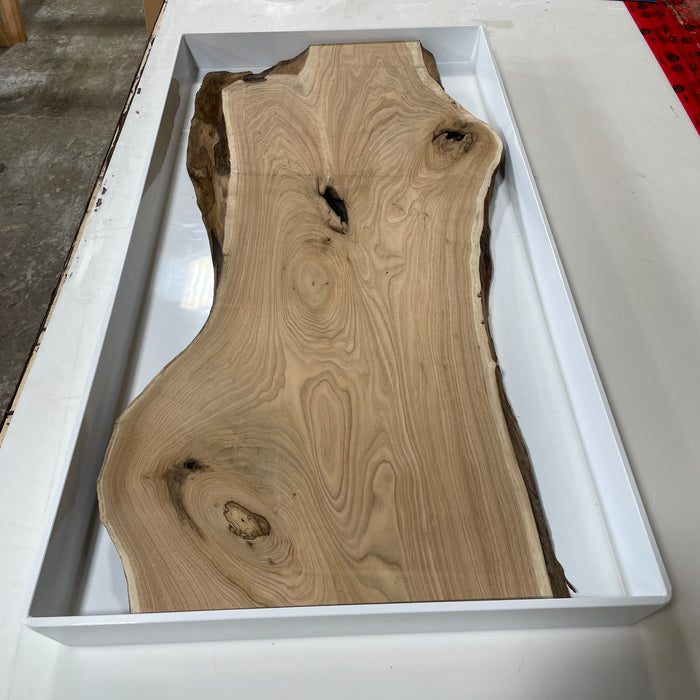
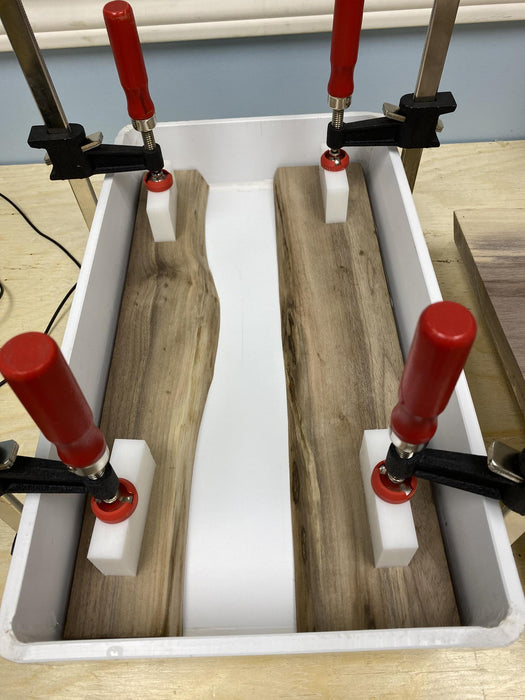
Rectangle NO SEAL HDPE Resin Molds for Epoxy Charcuterie Boards & River Boards
Trusted by 57,000+ Happy Customers
Fast Shipping
Pick-up available in Mississauga
Questions? Call: 416-900-9225
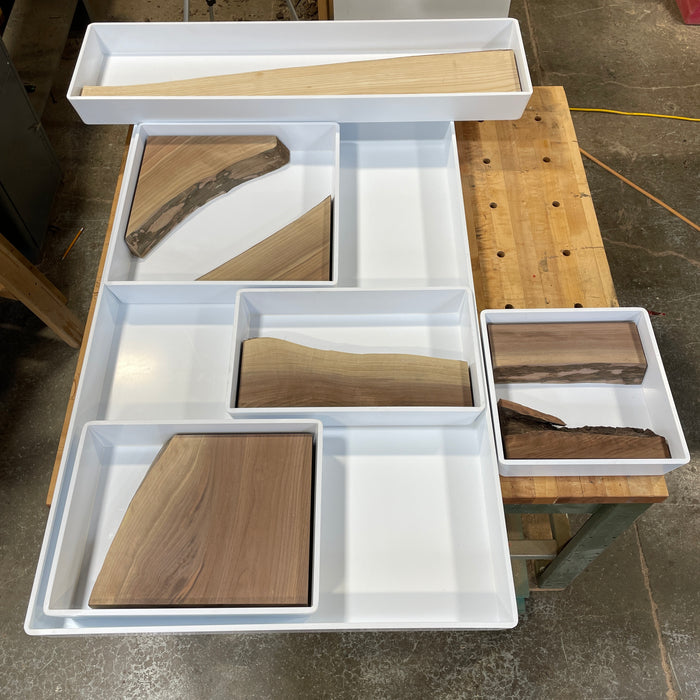
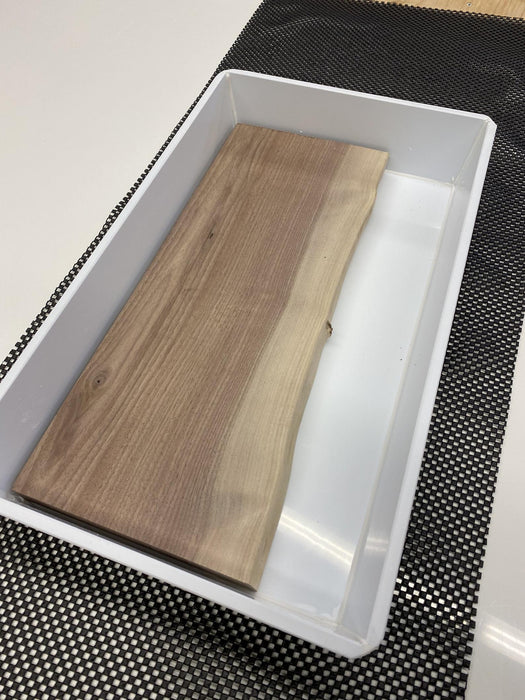
Our Rectangle NO SEAL HDPE Resin Molds are reusable epoxy forms designed for charcuterie boards, serving boards, trays, cribbage boards, river boards, signs, resin art, small tables, and wood/resin projects. They are built to save setup time, reduce cleanup, and make repeat epoxy pours easier without having to build and silicone a new mold for every project.
Made from durable 3/8" thick HDPE with an easy-release design and tapered sides, these rectangle epoxy molds are a practical choice for woodworkers, resin artists, DIY makers, and small production shops that want cleaner, more repeatable epoxy projects.
Why Choose a Rectangle NO SEAL Resin Mold?
Traditional epoxy forms often require melamine, tape, screws, silicone, and a lot of prep time before every pour. Our NO SEAL HDPE resin molds are designed to make that process easier, especially if you plan to make more than one board, tray, or resin project.
- Reusable HDPE mold: Built for repeat epoxy and resin projects.
- No silicone between uses: Save setup time compared to building and sealing a new form each time.
- 3/8" thick HDPE: Durable material for repeated use in the shop.
- Easy-release design: Tapered sides help make demolding easier after curing.
- Great for wood and resin projects: Use for charcuterie boards, serving boards, trays, river boards, resin art, and table-style pours.
- Cleaner, more repeatable setup: Ideal for hobbyists, makers, and small shops producing multiple epoxy projects.
Best Projects for Rectangle NO SEAL HDPE Molds
These reusable rectangle epoxy molds are designed for a wide range of wood and resin projects. They are especially useful when you want a clean mold shape, consistent project sizing, and less setup time between pours.
Charcuterie Boards
A great option for wood and resin charcuterie boards, serving boards, and giftable resin projects.
Serving Trays
Use rectangle or square molds for epoxy serving trays, resin panels, and tray-style pours.
River Boards
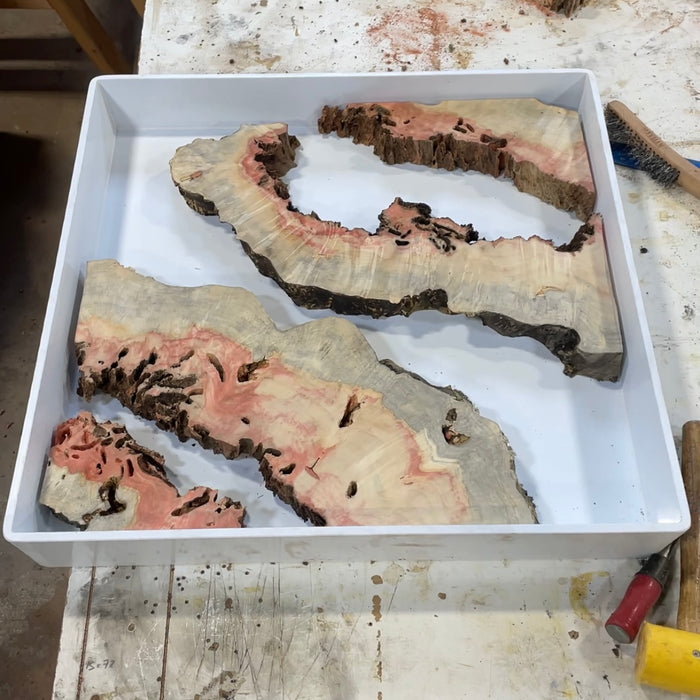
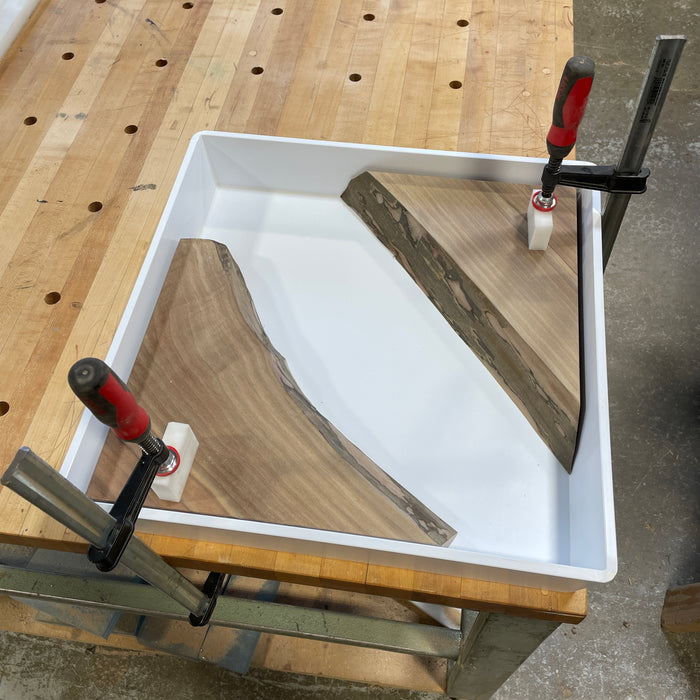
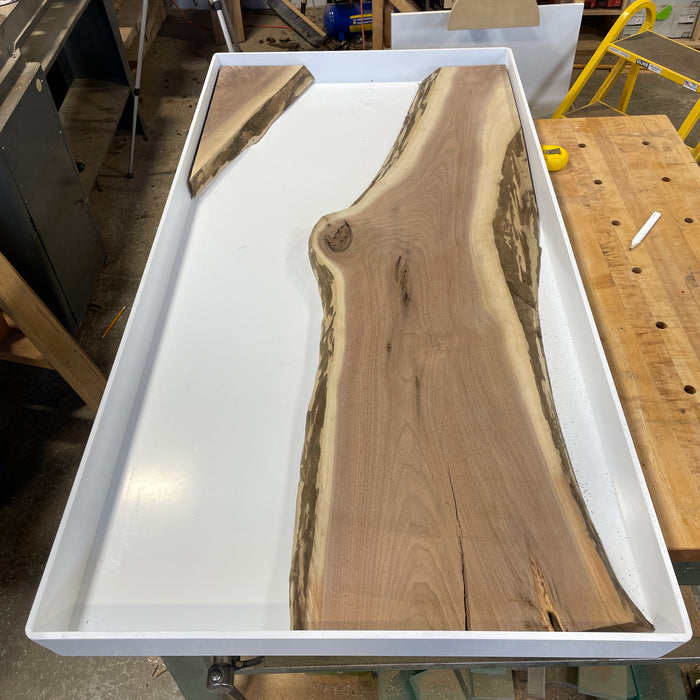
Ideal for combining live edge wood pieces with coloured or clear epoxy resin.
Small Tables
Larger forms can be used for coffee table-style projects, oversized boards, and larger resin pours.
Which Size Should I Choose?
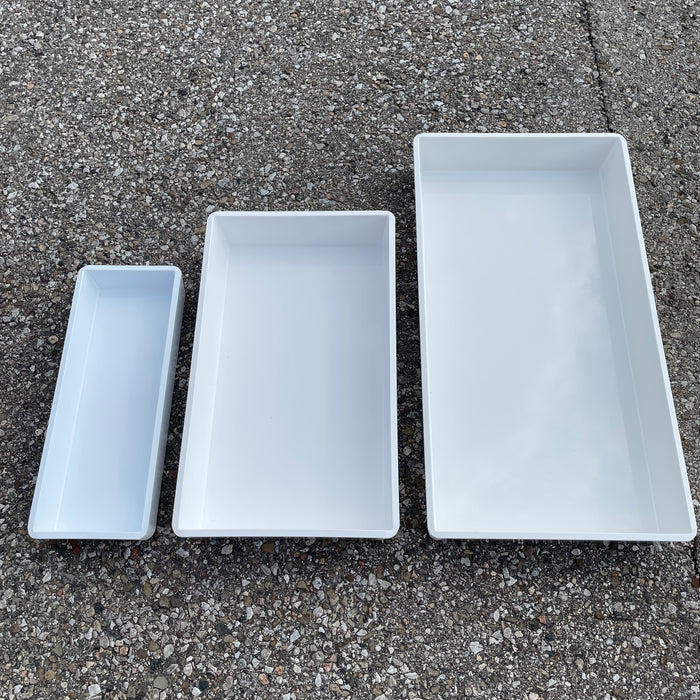
Choose your resin mold size based on the finished project you want to make. Smaller molds are easier for beginner projects, while larger forms are better for trays, serving boards, river boards, and table-style pours.
| Mold Size | Best For | Common Project Ideas |
|---|---|---|
| 5" x 15" | Small specialty projects | Cribbage boards, test pours, narrow resin blanks |
| 4.25" x 25" | Long narrow small projects | Coaster blanks, narrow resin strips, small specialty pours |
| 10" x 18" | Beginner-friendly projects | Small serving boards, resin art, gift projects |
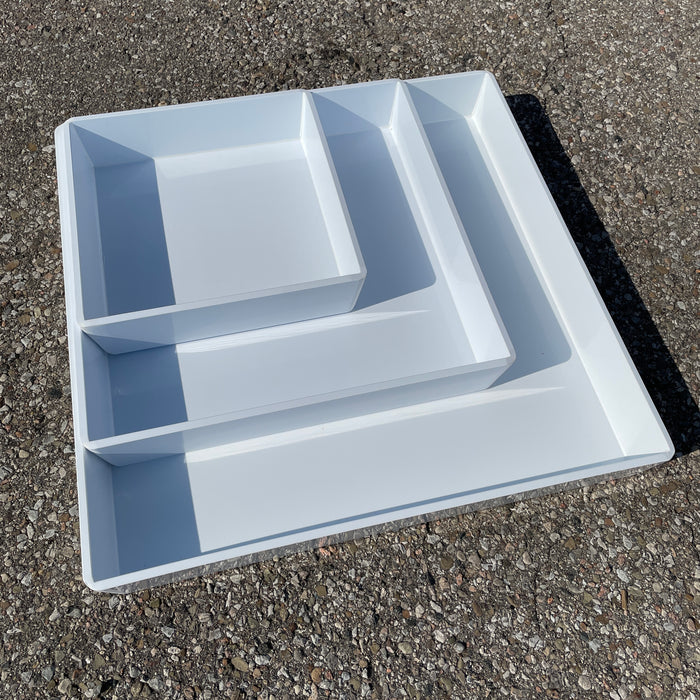
| 12" x 12", 18" x 18", 24" x 24" | Square projects | Square trays, serving boards, resin panels, art pieces |
| 12" x 16", 12" x 24", 14" x 18" | Charcuterie boards and serving boards | Boards, trays, small river-style pours |
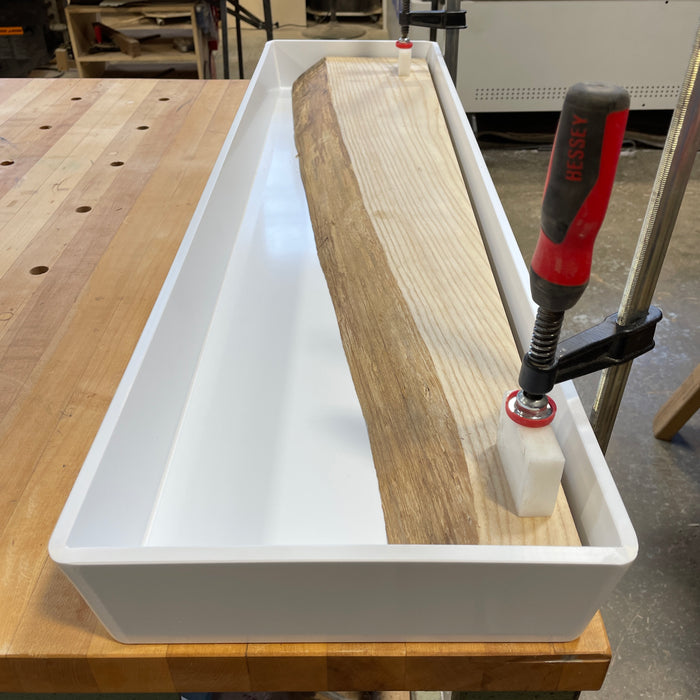
| 10" x 42" | Long narrow projects | Long serving boards, shelves, narrow river pours |
| 18" x 36", 24" x 48" | Larger boards and table-style projects | River boards, trays, coffee table projects, larger pours |
| 30" x 60" | Large-format pours | Large river boards, table-style pours, oversized resin projects |
Best Size by Project Type
If you are not sure where to start, use this quick guide:
- Best beginner size: 10" x 18"
- Best charcuterie board sizes: 12" x 24", 14" x 18", or 12" x 16"
- Best square tray sizes: 12" x 12", 18" x 18", or 24" x 24"
- Best long serving board size: 10" x 42"
- Best larger board or coffee table sizes: 18" x 36", 24" x 48", or 30" x 60"
NO SEAL HDPE Molds vs. Silicone Molds vs. Black Edition Molds
Different resin molds are better for different types of projects. If you are comparing HDPE molds, silicone molds, one-piece molds, or round molds, use this guide to choose the right option.
| Mold Type | Best For | Why Choose It? |
|---|---|---|
| Rectangle NO SEAL HDPE Molds | Repeat epoxy pours, charcuterie boards, trays, river boards, serving boards, and larger rectangle projects | Reusable, rigid, durable, and designed to avoid silicone between uses. |
| Silicone Charcuterie Molds | Beginner-friendly small boards, flexible demolding, and simple charcuterie board projects | Flexible and easy to demold, especially for smaller projects. |
| Empire Goods Black Edition Molds | One-piece small resin projects, serving boards, and clean repeatable shapes | A simple one-piece mold option for smaller resin projects. |
| Round NO SEAL HDPE Molds | Round tables, circular boards, round resin art, and circular epoxy projects | Best option when your project needs a round or circular mold shape. |
Need Help Choosing a Resin Mold?
If you are not sure whether to use a rectangle HDPE mold, round HDPE mold, silicone mold, or one-piece mold, watch our video: How to Choose a Mold for Your Epoxy Project.
You can also visit our Epoxy and Resin Guides Hub for more help with resin selection, mold choice, bubbles, curing, pigments, and project planning.
Recommended Epoxy for These Molds
The right epoxy depends on your pour depth, project size, and final finish. These rectangle molds can be used for different types of projects, so choose your resin based on what you are making.
| Epoxy Product | Best For | When to Choose It |
|---|---|---|
| EcoPoxy FlowCast SPR | Charcuterie boards, serving boards, trays, coasters, and smaller pours up to 1" deep | Choose FlowCast SPR when making smaller projects that do not need a full deep-pour resin. |
| EcoPoxy FlowCast | River boards, deeper pours, large void fills, live edge projects, and larger casting projects | Choose FlowCast when your project requires a deeper casting resin. |
| EcoPoxy UVPoxy | Flood coats, top coats, table coatings, bar tops, counters, and clear final coats | Choose UVPoxy when you need a clear top coat or flood coat, not a deep casting pour. |
Complete Your Epoxy Mold Project
Most rectangle mold projects also require epoxy, pigments, sanding supplies, and a wood finish after demolding. These related products can help you complete the project from pour to final finish.
Epoxy Resin
Choose the right resin for your pour depth and project size. Shop EcoPoxy Resin.
Mica Powder Pigments
Add colour, shimmer, metallic effects, and depth to your epoxy pour. Shop Mica Powder Pigments.
Sanding Supplies
Clean up edges, flatten surfaces, and prepare your project for finish after demolding. Shop Sanding Supplies.
Wood Finishes
Protect and enhance the wood portion of your project after sanding. Shop Wood Finishes.
Best Practices to Prevent Leaks
Always pour and cure on a flat, fully supported surface. Avoid placing the mold only on saw horses, blocks, or unsupported areas, as uneven support can stress the form over time. A solid, level base helps protect the mold and keeps your epoxy pours more consistent.
Before each pour, make sure the mold is clean, dry, level, and fully supported. If you are using wood inside the mold, make sure the pieces are properly secured so they do not float or shift during the pour.
Heat Gun and Torch Note
Avoid using excessive direct heat near HDPE molds. If you are removing bubbles from epoxy, use gentle passes and follow your epoxy manufacturer’s recommendations. Too much concentrated heat can damage molds, affect the epoxy surface, or create avoidable project issues.
Pro Tip: Add a Layout Template
Layout templates help with faster, more repeatable placement before pouring and cleaner trimming after curing. They are especially helpful if you make multiple boards or want a more consistent setup.
Helpful Resin Mold Guides
New to epoxy molds or trying to choose the right setup? These guides can help:
- Epoxy and Resin Guides Hub
- Resin Mold Guide
- What Resin Mold Should I Buy?
- HDPE vs. Silicone Molds
- Best Mold for Charcuterie Boards
Available Online or In-Store
Rectangle NO SEAL HDPE Resin Molds are available online from Jeff Mack Supply for customers across Canada and the USA. You can also shop in-store at our woodworking and epoxy supply shop in Mississauga, Ontario.
Frequently Asked Questions
What is an HDPE resin mold?
An HDPE resin mold is a reusable plastic mold used to contain epoxy while it cures. HDPE is popular for epoxy projects because cured resin releases from it more easily than many other materials when the mold is used properly.
Are these resin molds reusable?
Yes. These Rectangle NO SEAL Resin Molds are made from reusable HDPE and are designed for repeat epoxy and resin projects.
Do I need to seal this mold before every use?
These NO SEAL forms are designed to reduce prep time by avoiding the need for silicone between uses. Make sure the mold is clean, level, and fully supported before pouring.
How deep can I pour in these molds?
Most rectangle NO SEAL forms are designed for pours up to 3" deep. Select smaller sizes may have a 2" depth, so check your selected size before ordering.
Do I need mold release?
Mold release is not required, but it can be used as an optional step to help extend mold life and make cleanup easier.
Which epoxy should I use with this mold?
Choose your epoxy based on pour depth, working time, and project size. For charcuterie boards and smaller pours up to 1" deep, use EcoPoxy FlowCast SPR. For deeper river-style pours, use EcoPoxy FlowCast. For a clear flood coat or top coat, use EcoPoxy UVPoxy.
What size mold is best for beginners?
The 10" x 18" mold is a good beginner-friendly size for small serving boards, resin art, and gift projects. It is large enough to make useful projects but not as intimidating as a large table-style form.
What size mold is best for charcuterie boards?
Popular charcuterie board mold sizes include 12" x 16", 12" x 24", and 14" x 18". The best size depends on the final board shape and how much wood and resin you want in the design.
Can I use these molds for river boards?
Yes. Rectangle NO SEAL HDPE molds are a great option for river boards, live edge boards, and wood/resin projects where you are combining wood pieces with epoxy.
Can I use a torch or heat gun with HDPE molds?
Use caution with direct heat around HDPE molds. If removing bubbles, use gentle passes and follow the epoxy manufacturer’s recommendations. Avoid concentrating heat on the mold walls or in one area for too long.
How do I prevent leaks?
Use the mold on a flat, fully supported, level surface. Make sure the mold is clean, dry, and properly set up before pouring. Avoid unsupported surfaces that can stress the form or cause uneven pressure during the cure.
What if I need a round or silicone mold instead?
If you need a different shape or mold style, compare our Round NO SEAL Molds, Silicone Charcuterie Molds, and Empire Goods Black Edition Molds.
Where can I learn more about epoxy resin projects?
Start with our Epoxy and Resin Guides Hub or watch our video on how to choose a mold for your epoxy project.


