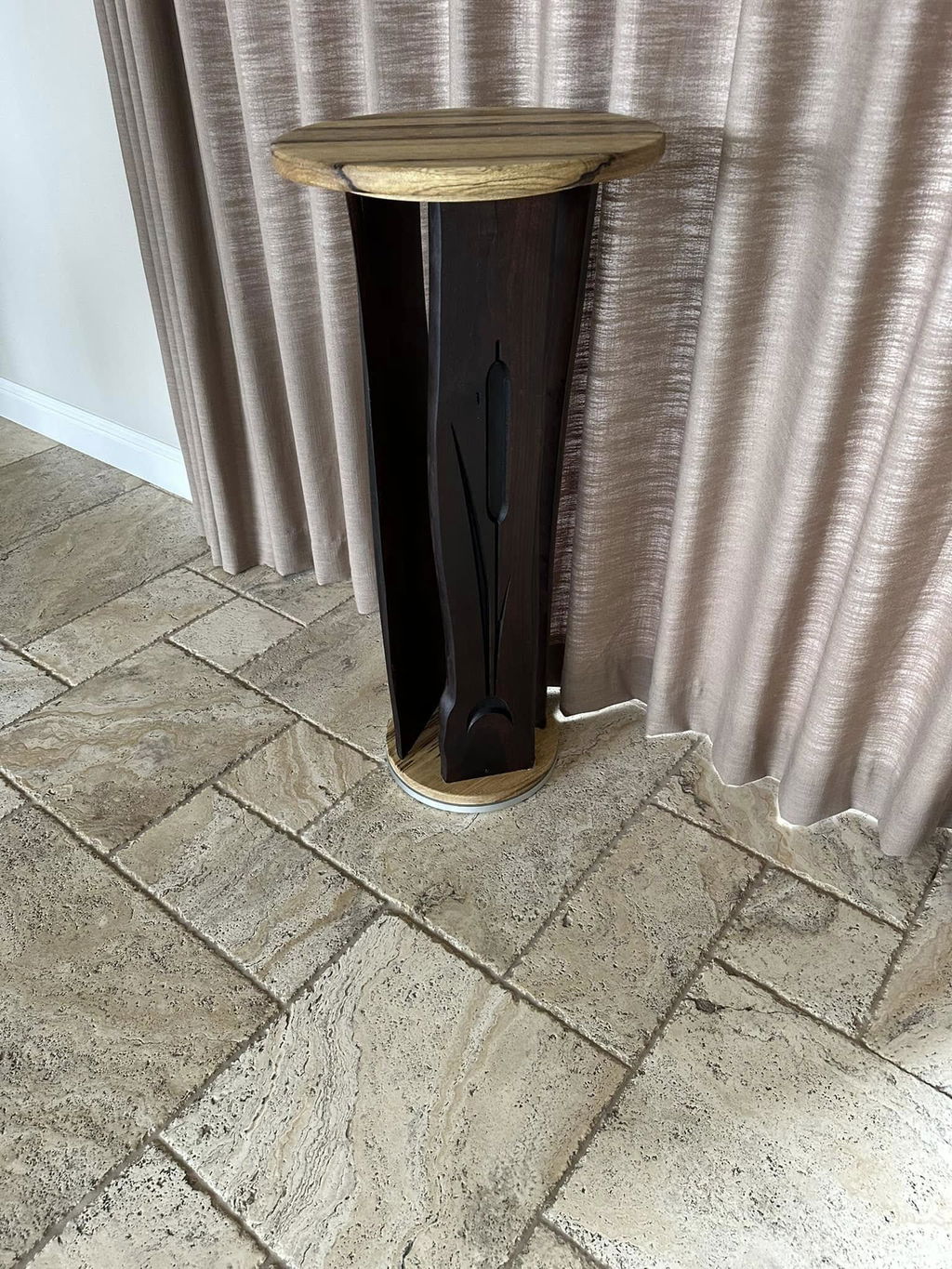
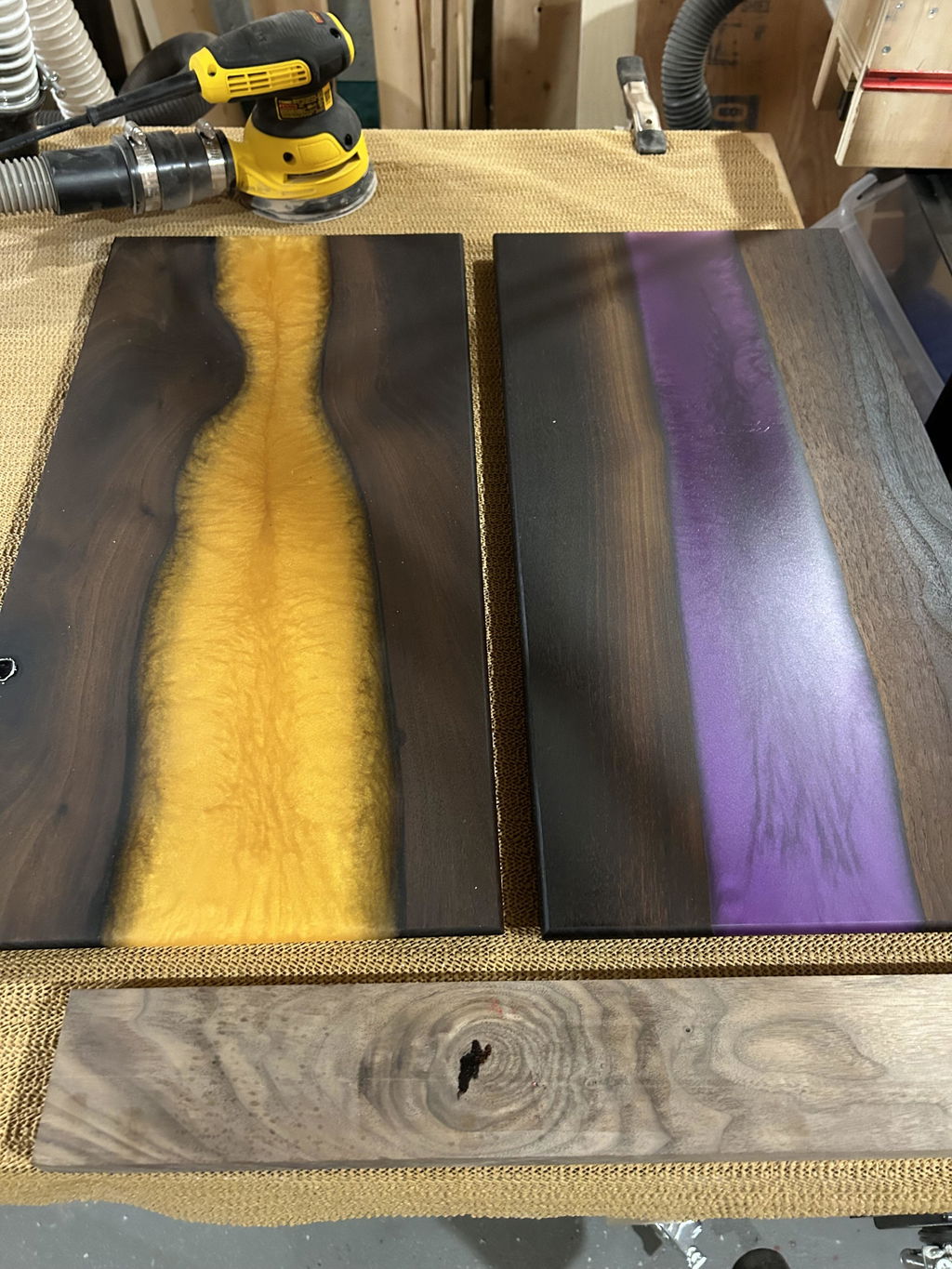
DIY Roasted Walnut Live Edge Charcuterie Boards
Trusted by 57,000+ Happy Customers
Fast Shipping
Pick-up available in Mississauga
Questions? Call: 416-900-9225
Our DIY Roasted Walnut Live Edge Charcuterie Boards are premium roasted walnut slabs prepared for makers, woodworkers, and DIY customers who want to create their own serving boards, charcuterie boards, wedding centrepieces, wall art, trays, and custom woodworking projects. Each slab is kiln dried, roasted for a darker tone, flattened, debarked, and sanded to 80 grit so you can start with quality walnut material instead of rough lumber.
These are unfinished DIY roasted walnut boards, not finished charcuterie boards. They are designed for customers who want to sand, shape, route, inlay, personalize, oil, or finish their own live edge roasted walnut project.
Why Choose DIY Roasted Walnut Boards?
Roasted walnut offers a darker, richer look than standard walnut, making it a strong choice for premium charcuterie boards, serving boards, trays, decor, and giftable woodworking projects. The roasting process gives the wood a deeper tone while still keeping the natural walnut grain and live edge character.
- Premium live edge roasted walnut: Great for natural-edge serving boards, charcuterie boards, and display pieces.
- Darker walnut tone: A rich, warm look compared to standard live edge walnut.
- DIY-friendly prep: Kiln dried, roasted, flattened, debarked, and sanded to 80 grit.
- One side planed 100%: The face is fully planed, with at least 80% planed on the back.
- Multiple sizes available: Choose from different lengths, width ranges, and pack quantities.
- Great for templates and customization: Add handles, inlays, engraved details, epoxy fills, or custom shapes.
- Hand-selected for shipping: Boards are selected to meet our quality standards, while still showing natural wood variation.
Available Sizes
Choose the length, width range, and quantity that best fits your project. Because these are natural live edge roasted walnut boards, the exact shape, grain, colour, and edge detail will vary from piece to piece.
| Option | Available Choices | Best For |
|---|---|---|
| Lengths | 24" and 36" | Standard serving boards, longer trays, wall art, and centrepieces |
| Width Ranges | 4"–8" and 6"–12" | Narrow serving boards, standard charcuterie boards, wider serving boards, and display pieces |
| Thickness | Approximately 3/4"–1" | DIY boards, trays, wall art, serving boards, and custom projects |
| Quantities | 1, 3, 5, or 10 boards | Single projects, gift batches, small production runs, and workshop inventory |
Roasted Walnut vs. Standard Walnut
Roasted walnut has a darker, warmer tone than standard live edge walnut. It is a good choice when you want a rich, dramatic look for serving boards, charcuterie boards, trays, and gift projects.
If you prefer the more traditional walnut colour range with natural brown tones, sapwood variation, and standard walnut character, view our DIY Live Edge Walnut Charcuterie Boards.
Best Uses for Live Edge Roasted Walnut Boards
These roasted walnut slabs are versatile project blanks for both beginner and experienced woodworkers. Use them as-is for a natural-edge board or customize them with templates, inlays, handles, epoxy, engraving, or a food-safe finish.
Charcuterie Boards
Create dark, rich live edge roasted walnut charcuterie boards for gifts, home use, weddings, markets, and custom orders.
Serving Boards + Trays
Add handles, roundovers, inlays, or custom details to create serving boards and tray-style projects.
Wedding Centrepieces
Use live edge roasted walnut pieces as table centrepieces, event decor, signage bases, or rustic display pieces.
Wall Art + DIY Projects
Turn roasted walnut slabs into wall art, signs, epoxy accents, small shelves, or custom woodworking projects.
Customize Your Roasted Walnut Board With Templates
These live edge roasted walnut boards are a great starting point for template-routing projects. Add functional handles, decorative inlays, bow ties, lettering, or custom details to make each board more unique.
Acrylic Handle Templates
Add clean, repeatable handle shapes to serving boards, charcuterie boards, trays, and gift projects. Shop Acrylic Handle Templates.
Inlay Templates
Add bow ties, decorative inlays, custom accents, and personalized details to your roasted walnut board. Shop Inlay Templates.
Router + Template Guides
Learn how router templates work, what bit to use, and how to get cleaner template-routing results. Read Router + Template Guides.
Wood Prep Supplies
Prepare your roasted walnut board for routing, sanding, finishing, and final use. Shop Wood Prep Supplies.
How to Finish a Roasted Walnut Charcuterie Board
After shaping, routing, sanding, or filling your board, choose the right finish based on how the project will be used.
| Finish | Best For | When to Choose It |
|---|---|---|
| Walrus Oil Cutting Board Oil | Cutting boards, charcuterie boards, serving boards, and food-contact projects | Choose cutting board oil when you want a simple food-safe oil finish for boards that may come into contact with food. |
| Grand Finishing Hardwax Oil | Serving boards, trays, wall art, decor pieces, and projects that need more of a furniture-style finish | Choose hardwax oil when the project is more decorative or serving-focused and you want a richer finished look. |
Need Help With Sanding or Finishing?
Visit our Finishing Guides for help choosing a finish, sanding properly, and getting better results on wood and epoxy projects.
You can also visit our Wood Guides to learn more about hardwood selection, wood movement, species choice, and project planning.
What Work Is Still Required?
These roasted walnut pieces are prepared to make DIY projects easier, but they are still unfinished wood blanks. Depending on your project and the exact board you receive, you may still need to sand, trim, shape, route, fill cracks or voids, and apply a finish.
- Sand through your desired grits before finishing.
- Shape or round over edges if desired.
- Add handles or inlays using templates if desired.
- Fill cracks, knots, or small voids with epoxy if needed.
- Apply cutting board oil, hardwax oil, or another suitable wood finish.
Want to Make a Cutting Board Instead?
If your goal is to make an end grain, edge grain, or butcher block-style cutting board, you may want to start with dimensioned cutting board wood instead of live edge roasted walnut slabs.
Shop Cutting Board Wood for similar skill-level woodworking projects using prepared hardwood strips, blanks, and board-making material.
Want to Make a Wood + Epoxy Project?
Some live edge roasted walnut boards may have small cracks, knots, or voids that can be filled with epoxy. If you want a more intentional wood and epoxy project, browse our one-of-a-kind wood pieces for unique shapes, grain, live edge character, and epoxy-friendly designs.
Shop One-of-a-Kind Wood Pieces for wood and epoxy boards, serving boards, river-style projects, and custom resin work.
Natural Wood Variation
Each roasted walnut slab is unique. Colour, grain, live edge shape, knots, cracks, figure, and roasted tone will vary from board to board. The photos are representative of the type and quality of material you can expect, but the exact boards you receive will not be identical to the photos.
We hand-select boards for shipping to help ensure you receive quality material, while still preserving the natural character that makes live edge roasted walnut projects unique.
Available Online or In-Store
DIY Roasted Walnut Live Edge Charcuterie Boards are available online from Jeff Mack Supply for customers across Canada and the USA. You can also shop in-store at our woodworking and epoxy supply shop in Mississauga, Ontario.
Frequently Asked Questions
Are these finished charcuterie boards?
No. These are unfinished DIY live edge roasted walnut boards. They are kiln dried, roasted, flattened, debarked, and sanded to 80 grit, but they still need final sanding, shaping, and finishing before use.
What sizes are available?
Available lengths include 24" and 36". Width ranges include 4"–8" and 6"–12". Thickness is approximately 3/4"–1".
How many boards come in an order?
You can choose from quantity options of 1, 3, 5, or 10 boards, depending on the selected variant.
What is the difference between roasted walnut and standard walnut?
Roasted walnut has a darker, warmer tone than standard walnut. If you prefer a more traditional walnut look, view our DIY Live Edge Walnut Charcuterie Boards.
Do these boards need sanding?
Yes. The boards are sanded to 80 grit as a starting point, but you should continue sanding through your desired grits before applying finish.
Do these boards need epoxy?
Some boards may have natural cracks, knots, or voids that can be filled with epoxy. This is normal for live edge roasted walnut and can add character to the finished project.
What finish should I use?
For food-contact boards, use Walrus Oil Cutting Board Oil. For serving boards, trays, decor pieces, or projects where you want a richer furniture-style finish, consider Grand Finishing Hardwax Oil.
Can I add a handle to these boards?
Yes. These boards can be customized with router templates. Browse our Acrylic Handle Templates to add clean handle shapes to serving boards and charcuterie boards.
Can I add inlay details?
Yes. Use Inlay Templates to add bow ties, decorative details, custom accents, or repair-style inlays to your board.
Are these good for cutting boards?
These live edge roasted walnut boards are best for charcuterie boards, serving boards, trays, decor, and DIY projects. If you want to build a traditional cutting board, browse our Cutting Board Wood collection.
Will the boards look exactly like the photos?
No. The photos are representative. Since these are natural live edge roasted walnut slabs, each board will vary in colour, grain, shape, width, edge character, roasted tone, and natural features.
Where can I learn more about working with roasted walnut and wood projects?
Start with our Wood Guides, Finishing Guides, and Router + Template Guides.